Not the Salem Witch Trials. We're Just Making S'mores.
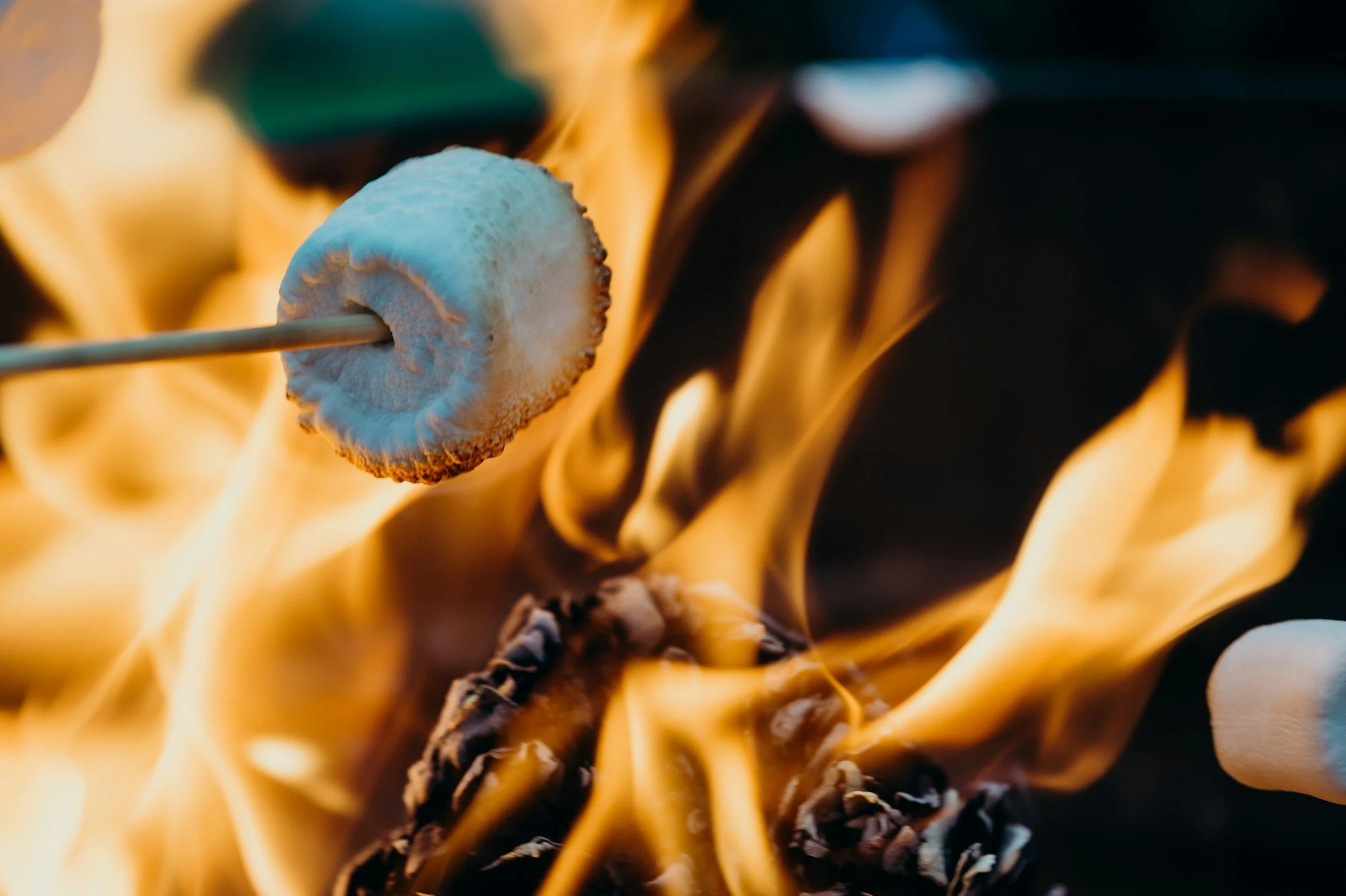
First, we pluck an innocent marshmallow from the bag.
Then we put it on a stick and hold it over an open flame until it reaches our preferred level of destruction.
Golden brown? Lovely.
Completely engulfed in flames?
Also a choice.
Where Marshmallows Came From
Before they were fluffy white cubes in a plastic bag, marshmallows came from an actual plant: the marsh mallow.
Its root was used in early sweets and medicinal preparations. Eventually the plant itself disappeared from the recipe, sugar and gelatin took over, and we ended up with the soft, fluffy—and extremely toastable—version we know today.
Into the Fire
Marshmallow roasting isn't new either. By the late 1800s and early 1900s, marshmallow roasts had already become a social activity.
Fire. Sugar. Sticks.
Honestly, we understand the appeal.
Enter the S'more
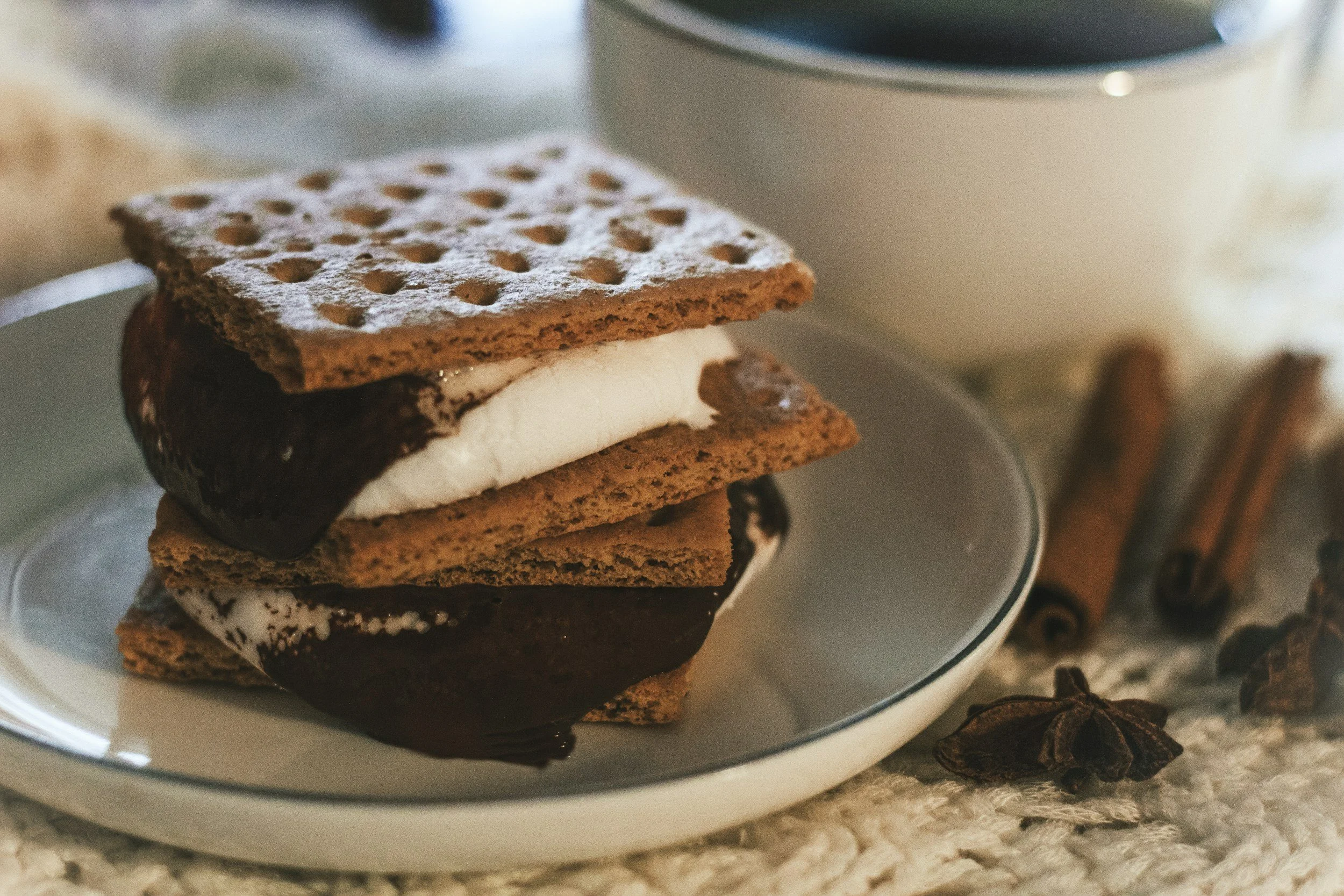
By the mid-1920s, Girl Scouts were making a treat called “Some Mores”: toasted marshmallow and chocolate tucked between graham crackers.
Some More became S'more, and the rest is wonderfully sticky history.
How Do You Burn Yours?
There are levels to this.
🤍 Pale & Nervous — Barely kissed by the heat.
✨ Golden Perfection — Evenly toasted, soft and gooey inside.
🔥 A Little Dangerous — Dark around the edges. May have briefly been on fire.
🚒 Call the Fire Department — Fully engulfed. Possible structural damage to the marshmallow.
No judgment. Only respect for commitment.
Did You Know?
By 1925, Girl Scouts in multiple states were already making “Some Mores”—and some early instructions suggested roasting the marshmallows on steel knitting needles.
Apparently the stake has always been part of the plan. 😂
Shop the Look
We’re gathering the Frightful and Bright finds we can’t stop thinking about! When the good stuff turns up, we’ll show you where to find it.
Roasting sticks or extendable forks
S'mores trays and caddies
Tabletop s'mores makers
Fire-pit accessories